Rethinking Urban Mobility: The Future of Transportation in Cities
An exploration of the evolving landscape of urban transportation, highlighting innovative solutions and trends that are reshaping how we navigate cities.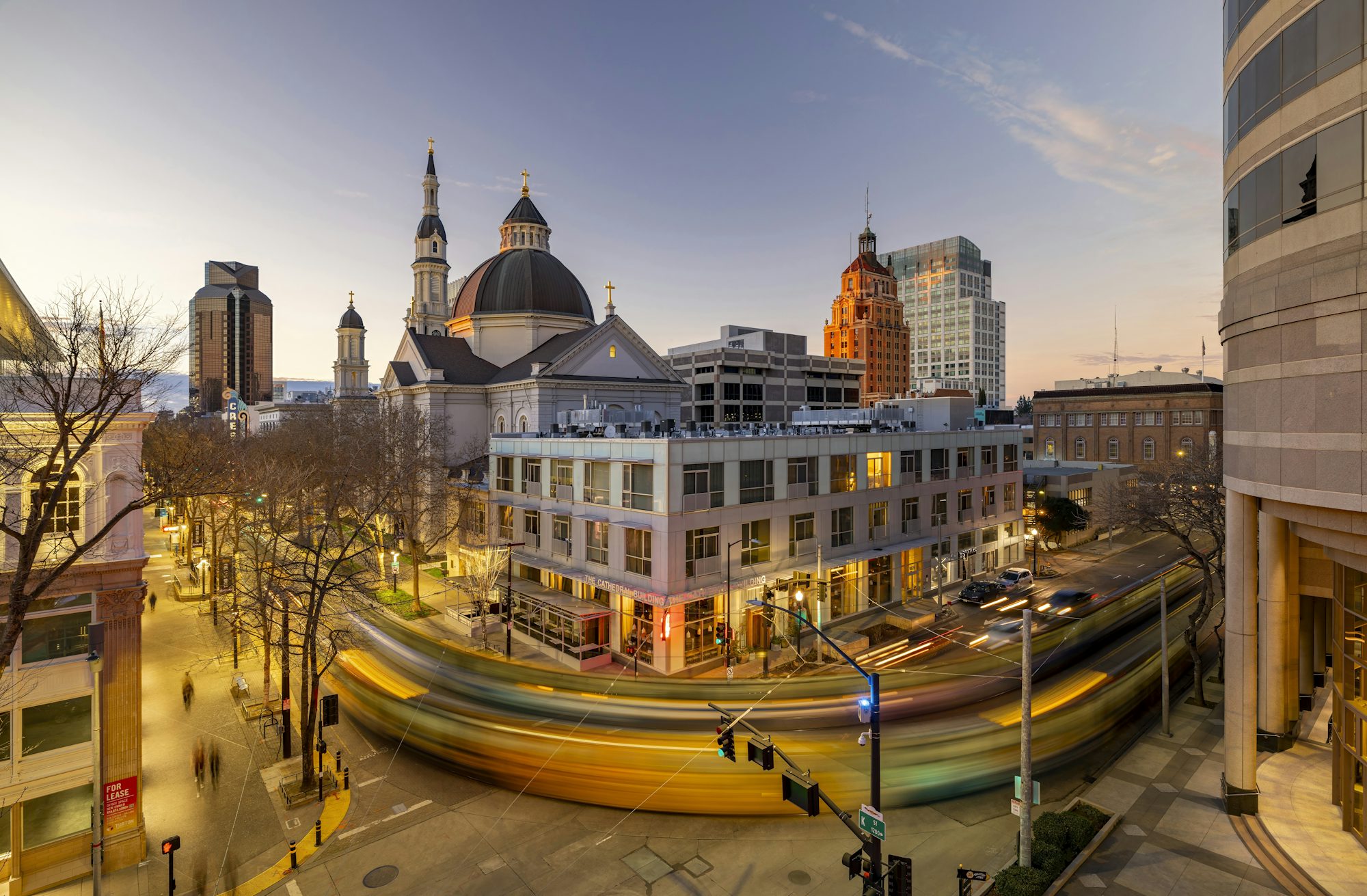
Understanding Urban Mobility
Urban mobility refers to the movement of people and goods within urban areas. It encompasses various transportation modes, including walking, cycling, public transit, and personal vehicles. The design and effectiveness of urban mobility systems significantly impact the quality of life for residents, influencing everything from air quality to access to jobs and services.
Historically, cities have been designed around car travel, which has led to sprawling developments and increased traffic congestion. However, as urban populations rise and environmental concerns grow, the need for more sustainable and efficient transportation options has become paramount. Rethinking urban mobility is essential for creating cities that are not only livable but also environmentally responsible.
Trends Shaping Urban Mobility
1. Shared Mobility Solutions:
The rise of shared mobility platforms, such as ride-sharing services and bike-sharing programs, has transformed urban transportation. These services provide flexible options for residents, reducing the need for personal vehicles and decreasing traffic congestion. By promoting carpooling and shared rides, cities can minimize the number of cars on the road, leading to lower emissions and improved air quality.
2. Public Transportation Enhancements:
Investments in public transportation infrastructure are crucial for improving urban mobility. Cities are increasingly prioritizing the expansion of bus and rail networks, making them more accessible and efficient. Modernizing transit systems with technology, such as real-time tracking and mobile ticketing, enhances the user experience and encourages more people to choose public transport over private vehicles.
3. Active Transportation:
Encouraging active transportation modes, such as walking and cycling, is vital for creating healthier urban environments. Cities are implementing bike lanes, pedestrian-friendly streets, and public plazas to promote these modes of transport. By making it safer and more convenient to walk or bike, urban planners can reduce reliance on cars and foster a culture of active living.
4. Smart City Technologies:
The integration of smart technologies in urban mobility is reshaping how we navigate cities. Intelligent transportation systems (ITS) utilize data and connectivity to optimize traffic flow, enhance public transit, and improve safety. Traffic management solutions that adapt to real-time conditions help reduce congestion and streamline travel. Additionally, smart parking solutions guide drivers to available spots, further alleviating traffic issues.
5. Electrification of Transport:
The shift towards electric vehicles (EVs) is a significant trend in urban mobility. Cities are promoting the adoption of EVs through incentives, charging infrastructure, and policies aimed at reducing emissions. Electric buses and taxis are becoming increasingly common, contributing to cleaner urban environments. By prioritizing electrification, cities can significantly reduce their carbon footprints and enhance air quality.
Innovative Case Studies
Several cities are leading the way in rethinking urban mobility, showcasing innovative solutions that can serve as models for others:
1. Amsterdam, Netherlands:
Amsterdam is renowned for its commitment to cycling as a primary mode of transportation. The city has invested heavily in cycling infrastructure, including dedicated bike lanes and secure parking facilities. This focus on active transportation has resulted in a vibrant cycling culture, reducing car dependency and promoting sustainable mobility.
2. Singapore:
Singapore’s comprehensive public transportation system is a benchmark for urban mobility. The city-state has developed an integrated network of buses, trains, and taxis, all accessible through a single payment system. Singapore also utilizes smart technologies to optimize transit services, ensuring efficiency and reliability. This holistic approach to urban mobility has made public transportation a preferred choice for residents.
3. Barcelona, Spain:
Barcelona has implemented an ambitious plan to reclaim public space from cars, creating a network of superblocks—pedestrian-friendly areas that prioritize walking and cycling. This initiative has reduced traffic congestion, improved air quality, and enhanced the overall livability of the city. By transforming streets into vibrant public spaces, Barcelona is redefining urban mobility and fostering a sense of community.
4. Los Angeles, USA:
Traditionally known for its car culture, Los Angeles is making strides toward improving public transit and active transportation options. The city has invested in expanding its metro system and enhancing bus services, making it easier for residents to navigate without a car. Additionally, LA is promoting cycling and walking through improved infrastructure and community programs.
Challenges and Opportunities
Despite the progress being made in urban mobility, several challenges remain. Funding and political will are critical for implementing comprehensive transportation solutions. Additionally, cities must address issues of equity, ensuring that all residents have access to safe and efficient transportation options, regardless of socioeconomic status.
The rapid pace of technological advancement presents both challenges and opportunities. As new mobility solutions emerge, cities must adapt their infrastructure and regulations to accommodate these changes. Collaborative efforts between public and private sectors will be essential for creating innovative transportation solutions that benefit all residents.
The Road Ahead
Looking to the future, urban mobility will continue to evolve in response to changing demographics, technological advancements, and environmental considerations. Cities must remain flexible and responsive to the needs of their populations, embracing a multi-modal approach to transportation that prioritizes sustainability, accessibility, and efficiency.
As urban areas become increasingly complex, a holistic understanding of urban mobility will be essential for effective planning and development. By fostering collaboration among stakeholders, investing in innovative technologies, and prioritizing active transportation, cities can create vibrant, interconnected urban environments that enhance the quality of life for all residents.
Conclusion
The future of transportation in cities is a dynamic landscape shaped by innovation and necessity. As urban populations grow and environmental challenges intensify, rethinking urban mobility will be crucial for creating sustainable, livable cities. By embracing shared mobility, enhancing public transportation, and prioritizing active transportation modes, cities can reduce congestion and emissions while fostering healthier, more connected communities.
As we navigate this evolving landscape, the commitment to sustainable and inclusive urban mobility will define the cities of tomorrow. Through thoughtful planning and innovative solutions, we can create transportation systems that not only meet the demands of today but also pave the way for a brighter, more sustainable future.